

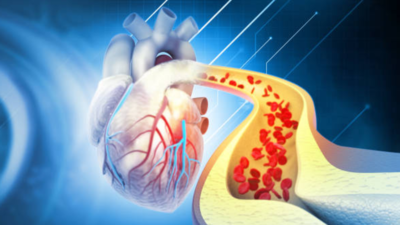
Cholesterol is a dreaded vocabulary, partly due to its complications associated with it and partly due to the myths associated with it.
Cholesterol is one of the most incorrect aspects of health and nutrition. For decades, it has been blamed for a host of heart disease, stroke and other health problems. The common belief is that all cholesterol is poor and avoiding high-cholesterol foods will keep your heart healthy. But is this really true?
This is the time to set the record straight and to book some myths around cholesterol so that it is understood properly and timely medical help is taken to ensure that it does not give rise to complications:
Myth: Cholesterol is bad
One of the biggest misconceptions is that cholesterol is harmful. In fact, cholesterol is essential for our body. Our liver produces cholesterol as our body needs hormone production, vitamin D synthesis and brain function.
The illusion around cholesterol has led to many myths that cause unnecessary fear and poor dietary options. Many people avoid eggs, dairy and healthy fats due to misunderstanding, while visually followed by low -fat diets that can do more harm than well.
Myth: Eating fatty foods increases cholesterol
Modern Research It is shown that diet cholesterol has very little effect on blood cholesterol levels in most people. The body controls cholesterol production – when you eat more cholesterol, your liver produces less, and vice versa.
For years, people were asked to avoid eggs, shellfish and dairy because they have cholesterol. Instead of cutting nutrients rich in nutrients, focus on a balanced diet with healthy fats, fiber and protein.
Myth: High cholesterol is the only reason that you have heart disease
While high cholesterol can be a risk factor for heart disease, this is not the only reason. Many people with normal cholesterol levels still develop heart disease, while other long, healthy lives with high cholesterol. The risk of heart disease depends on many factors, including inflammation, genetics, diet, lifestyle, and overall health.
Instead of paying attention to the number of cholesterol alone, pay attention to markers such as blood pressure, triglycerides and insulin resistance.
Myth: Only overweight people have high cholesterol
Many believe that only more weight or unhealthy person suffers from high cholesterol, but this is not true.
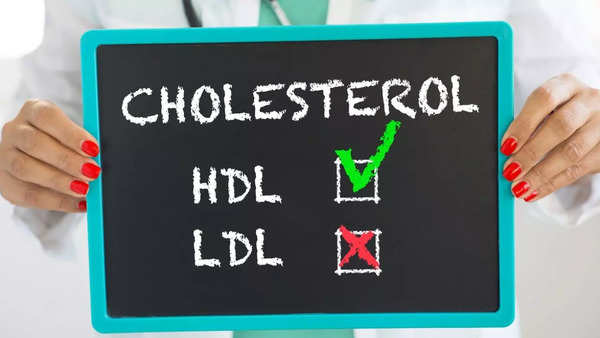
Genetic factors can also cause high cholesterol in thin or physically active people. A condition called family hyperclesterolemia (FH) can naturally cause high cholesterol levels regardless of body weight. This is why regular health checkups are important for everyone, not only for those who appear overweight.
Myth: Only Statin can reduce cholesterol
Statin is usually determined to reduce cholesterol, but they are not the only solutions. In some cases, stytin is essential, but they also come with possible side effects such as muscle pain, liver damage, and cognitive issues.
Changes in lifestyle such as fiber-rich foods, regular exercise, reducing processed sugar, and stress management can improve cholesterol levels.
Myth: Egg yolk causes cholesterol
Egg yolk has been performed for decades due to their cholesterol content. However, studies show that eggs do not significantly increase blood cholesterol levels in most people. They are filled with essential nutrients such as cholin, vitamin D and protein. In fact, eggs can increase HDL (good cholesterol) and improve overall cholesterol balance.
Real criminals for high cholesterol are processed foods, trans fats and excessive sugar consumption – not eggs.
Myth: Plant based diet can eliminate cholesterol
Many believe that switching to a plant-based diet will eliminate cholesterol from their body. While plant foods do not contain cholesterol, our liver naturally produces cholesterol as it is essential for existence.
A well-employed plant-based diet can be beneficial for heart health, but it is still important to get sufficient healthy fat, protein and essential nutrients to support overall cholesterol balance.
[ad_2]
Source link
[ad_1]